Your privacy

The LyceumCognitive Behavioural Therapy

Watch and Listen  ·  Postnatal

Louis Theroux's Mothers on the Edge: what it shows about postnatal mental health

Louis Theroux's Mothers on the Edge followed women in mother and baby units. What it shows about postpartum psychosis and where to get help.

By Sanah Younis, BABCP accredited CBT TherapistLast reviewed: November 2026
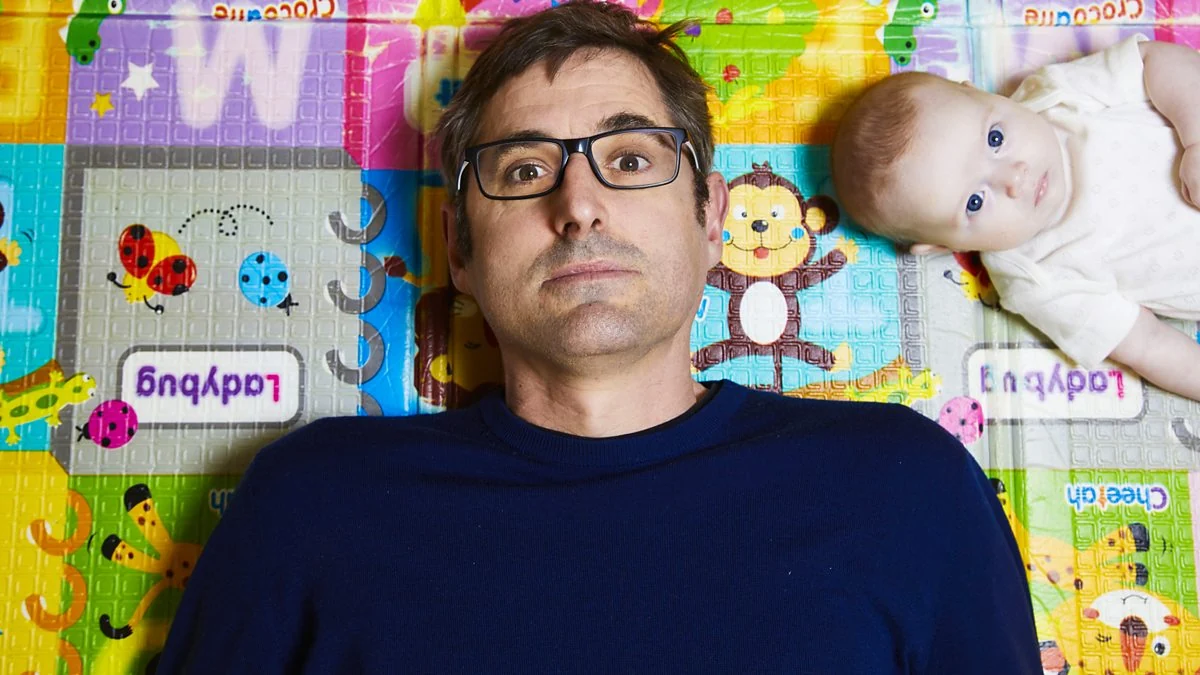
Programme artwork for Louis Theroux: Mothers on the Edge
Louis Theroux: Mothers on the EdgeImage source: BBC programme publicity. · Source

Summary

Mothers on the Edge is a BBC Two documentary in which Louis Theroux spends time in two psychiatric mother and baby units, meeting women being treated for severe postnatal illness, including postpartum psychosis and postnatal depression. It was widely praised for its sensitivity and for challenging myths: postpartum psychosis can affect women with no previous mental health history, can start any time in the first year, and is treatable. If you or someone you know has sudden confusion, beliefs that seem out of character or thoughts of harm after birth, seek urgent help.
Sanah Younis, Founder and Clinical Director of The Lyceum Clinic and a BABCP accredited CBT therapist, The Lyceum Clinic

Sanah Younis

BABCP accredited Cognitive Behavioural Psychotherapist

Documentary · BBC Two · Presented by Louis Theroux

Mothers on the Edge

Postnatal mental health

Our clinicians' verdict

Sensitive and myth busting about postpartum psychosis and severe postnatal illness, and clear that women recover with the right care.

CBT for postnatal depression

What is Mothers on the Edge about?

Louis Theroux visits two mother and baby units, specialist psychiatric wards where mothers can be admitted with their babies. He meets women experiencing postpartum psychosis and severe postnatal depression, their partners and the staff who treat them, and follows some of the women through treatment and recovery.

What myths about postpartum psychosis does it challenge?

The pregnancy charity Tommy's highlighted several. Postpartum psychosis can happen at any point in the first year after birth, not only in the first days. Symptoms are not always obvious and can look like worsening postnatal depression. It can affect women with no previous mental health problems, and mothers who already have children. The programme also showed that, with treatment, women recover.

What is the difference between postpartum psychosis and postnatal depression?

Postnatal depression involves persistent low mood, loss of interest, exhaustion, guilt and anxiety after birth, and is common. Postpartum psychosis is rare and is a psychiatric emergency. It can involve confusion, rapidly changing mood, unusual beliefs, hearing or seeing things others do not, and behaviour that is out of character. It needs urgent medical care, often in a mother and baby unit.

When to get urgent help after having a baby

If a new mother has sudden confusion, strange or frightening beliefs, hallucinations, or thoughts of harming herself or the baby, call 999 or go to A&E. For urgent but not emergency concerns, call NHS 111 and choose the mental health option, or contact your GP, midwife or health visitor. Specialist perinatal mental health teams support mothers during pregnancy and the first year. Samaritans are available on 116 123 at any time.

Is it normal to struggle emotionally after having a baby?

Many parents find the early months harder than they expected, and feeling low, anxious or overwhelmed is common. When those feelings last, deepen or stop you functioning, it is worth talking to your GP or health visitor. Postnatal anxiety, intrusive thoughts about the baby and postnatal rage are all recognised experiences, and none of them makes someone a bad parent.

How The Lyceum helps

We offer CBT for postnatal depression and anxiety, working alongside your GP and any perinatal services. We do not treat postpartum psychosis, which needs urgent specialist psychiatric care. Sessions are face to face in West London and Kensington or online across the UK. If you would like to talk it through, book a free consultation.

The Lyceum Clinic

Private CBT with a BABCP accredited therapist. Enquire to discuss current options, relevant referral or funding questions, and whether this support may be suitable. Face to face in West London (Chiswick, Ealing and Richmond) and Kensington, or online across the UK. £110 online · £140 face to face.

If You Need Urgent Support

  • Call 999 or go to your nearest A&E if you or someone else is in immediate danger
  • Samaritans: call 116 123, free, 24/7
  • Shout: text 85258, free, 24/7 crisis text support

This article is for general informational purposes and does not constitute medical, legal, or diagnostic advice. It is not a substitute for a consultation with a qualified healthcare professional. Statistics cited are drawn from publicly available research and are accurate as of the date of publication. Last clinically reviewed: November 2026 by Sanah Younis, Founder and Clinical Director of The Lyceum Clinic and a BABCP accredited Cognitive Behavioural Therapist.

Frequently asked questions

Related pages

Cite this article

References

  1. governmentNICE (2014 (updated 2020)). Antenatal and postnatal mental health: clinical management and service guidance (CG192). National Institute for Health and Care Excellence.
  2. charityTommy's (n.d.). Louis Theroux's Mothers on the Edge: busting the myths of postpartum psychosis. Tommy's.

About the author

Sanah Younis, Founder and Clinical Director of The Lyceum Clinic and a BABCP accredited CBT therapist

Sanah Younis

Founder and Clinical Director · BABCP Accredited no. 1000792

Sanah Younis is the Founder and Clinical Director of The Lyceum Clinic, West London, and a BABCP accredited Cognitive Behavioural Therapist. She specialises in anxiety, OCD, depression, burnout, neurodivergence, and life transitions. Face to face arrangements may be discussed in Chiswick, Ealing and Richmond, with online appointments also available for clients across the UK and Gulf Region.

BABCP Accredited no. 1000792MBABCPBSc (Hons) PsychologyPGDip

Last clinically reviewed: July 2026 by Sanah Younis, Founder and Clinical Director of The Lyceum Clinic and a BABCP accredited Cognitive Behavioural Therapist.

Want this sent to you as a PDF?

We will email you a PDF copy. No spam. Unsubscribe at any time.

Frequently asked questions

Where was Mothers on the Edge filmed?

Louis Theroux filmed in two specialist psychiatric mother and baby units, where mothers are treated with their babies.

What is postpartum psychosis?

A rare but serious mental illness that can develop after giving birth, involving confusion, unusual beliefs, hallucinations or rapid mood changes. It is a psychiatric emergency and is treatable.

Can postpartum psychosis happen without a history of mental illness?

Yes. It can affect women with no previous mental health problems.

Where can I get help for postnatal depression?

Speak to your GP, midwife or health visitor. CBT is a recommended psychological treatment, and perinatal mental health teams support mothers with more severe difficulties.

BABCP accredited · Chiswick & online · Check availability

Start with a conversation