Your privacy

The LyceumCognitive Behavioural Therapy

Watch and Listen  ·  Trauma

Joe Wicks: Facing My Childhood and growing up with a parent's mental illness

Joe Wicks on growing up with a father's addiction and a mother's OCD and anxiety, and what it shows about children of parents with mental illness.

By Sanah Younis, BABCP accredited CBT TherapistLast reviewed: November 2026
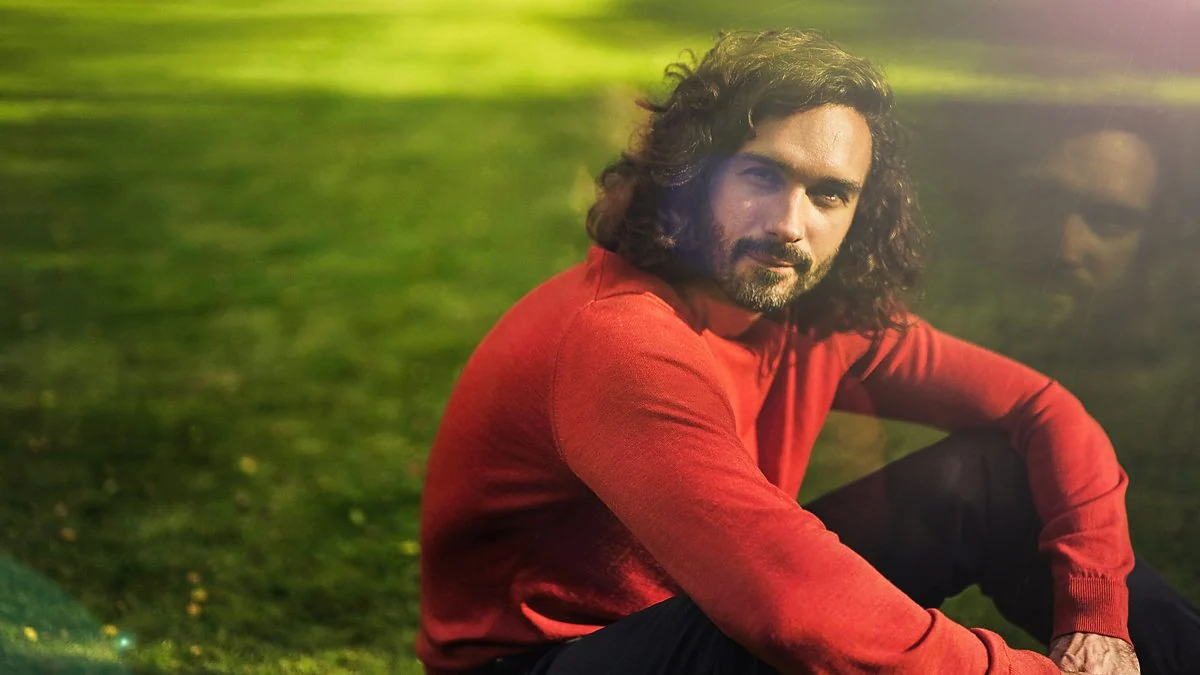
Programme artwork for Joe Wicks: Facing My Childhood
Joe Wicks: Facing My ChildhoodImage source: BBC programme publicity. Programme produced by Mindhouse Productions. · Source

Summary

Joe Wicks: Facing My Childhood is a BBC One documentary, first shown in May 2022, in which the fitness coach talks about growing up with a father who used heroin and a mother who struggled with OCD, anxiety and an eating disorder. He describes blaming himself as a child and using exercise to release his feelings. The film's message is that children cope better when a parent's illness is explained to them, and that what happened in childhood can be understood and worked through as an adult.
Sanah Younis, Founder and Clinical Director of The Lyceum Clinic and a BABCP accredited CBT therapist, The Lyceum Clinic

Sanah Younis

BABCP accredited Cognitive Behavioural Psychotherapist

Documentary · BBC One · 2022

Joe Wicks: Facing My Childhood

Parental mental illness

Our clinicians' verdict

Honest about the self blame children carry when a parent is unwell, and why an explanation and a trusted adult protect them.

CBT for the effects of a difficult childhood

What is Joe Wicks: Facing My Childhood about?

Joe Wicks talks with his parents about the years when his father was using heroin and his mother was unwell, and meets children and families living through similar situations today. He also visits the charity Our Time, which supports children with a parent affected by mental illness, and its founder, psychologist Dympna Cunnane.

How does a parent's mental illness affect a child?

Children often fill gaps in understanding with self blame. Joe Wicks has said he thought he was not good enough and blamed himself for his father's drug use. When illness is hidden, children can feel confused and responsible. Our Time's work centres on helping children understand that it is never their fault, which is a protective message.

Can childhood experiences cause anxiety in adults?

Growing up in an unpredictable home can leave people more alert to threat, quick to take responsibility for others' moods, or prone to anxiety and perfectionism as adults. Many people also develop real strengths: independence, empathy, resilience. Understanding how early experiences shaped your patterns is often a useful part of therapy.

What helps children of parents with mental illness?

An honest, age appropriate explanation of what is happening; reassurance that it is not their fault; at least one reliable adult to talk to; and space to be a child rather than a carer. Schools, GPs and specialist charities can help families find support.

How The Lyceum helps

We work with adults whose childhood was shaped by a parent's illness or addiction, using CBT to understand the beliefs and patterns that formed then and how they show up now, from anxiety and over responsibility to low self worth. Where trauma is part of the picture, we use trauma focused approaches. Sessions are face to face in West London and Kensington or online across the UK. If you would like to talk it through, book a free consultation.

The Lyceum Clinic

Private CBT with a BABCP accredited therapist. Enquire to discuss current options, relevant referral or funding questions, and whether this support may be suitable. Face to face in West London (Chiswick, Ealing and Richmond) and Kensington, or online across the UK. £110 online · £140 face to face.

If You Need Urgent Support

  • Call 999 or go to your nearest A&E if you or someone else is in immediate danger
  • Samaritans: call 116 123, free, 24/7
  • Shout: text 85258, free, 24/7 crisis text support

This article is for general informational purposes and does not constitute medical, legal, or diagnostic advice. It is not a substitute for a consultation with a qualified healthcare professional. Statistics cited are drawn from publicly available research and are accurate as of the date of publication. Last clinically reviewed: November 2026 by Sanah Younis, Founder and Clinical Director of The Lyceum Clinic and a BABCP accredited Cognitive Behavioural Therapist.

Frequently asked questions

Related pages

Cite this article

References

  1. governmentNICE (2018). Post traumatic stress disorder (NG116). National Institute for Health and Care Excellence.
  2. newsHuffPost UK (2022). 7 things we learned from Joe Wicks: Facing My Childhood. HuffPost UK.

About the author

Sanah Younis, Founder and Clinical Director of The Lyceum Clinic and a BABCP accredited CBT therapist

Sanah Younis

Founder and Clinical Director · BABCP Accredited no. 1000792

Sanah Younis is the Founder and Clinical Director of The Lyceum Clinic, West London, and a BABCP accredited Cognitive Behavioural Therapist. She specialises in anxiety, OCD, depression, burnout, neurodivergence, and life transitions. Face to face arrangements may be discussed in Chiswick, Ealing and Richmond, with online appointments also available for clients across the UK and Gulf Region.

BABCP Accredited no. 1000792MBABCPBSc (Hons) PsychologyPGDip

Last clinically reviewed: July 2026 by Sanah Younis, Founder and Clinical Director of The Lyceum Clinic and a BABCP accredited Cognitive Behavioural Therapist.

Want this sent to you as a PDF?

We will email you a PDF copy. No spam. Unsubscribe at any time.

Frequently asked questions

What is Joe Wicks' documentary called?

Joe Wicks: Facing My Childhood, first shown on BBC One in May 2022.

What did Joe Wicks' mum struggle with?

He has described his mother as struggling at different times with OCD, anxiety and an eating disorder.

Can therapy help with the effects of a difficult childhood?

Yes. CBT and trauma focused therapies can help adults understand and change patterns that developed in childhood, such as anxiety, self blame and over responsibility.

Is it my fault if my parent was unwell?

No. A parent's illness or addiction is never a child's fault, and children who believed it was often carry that belief into adulthood until it is examined.

BABCP accredited · Chiswick & online · Check availability

Start with a conversation