
Did the writers say Sheldon has Asperger's or autism?
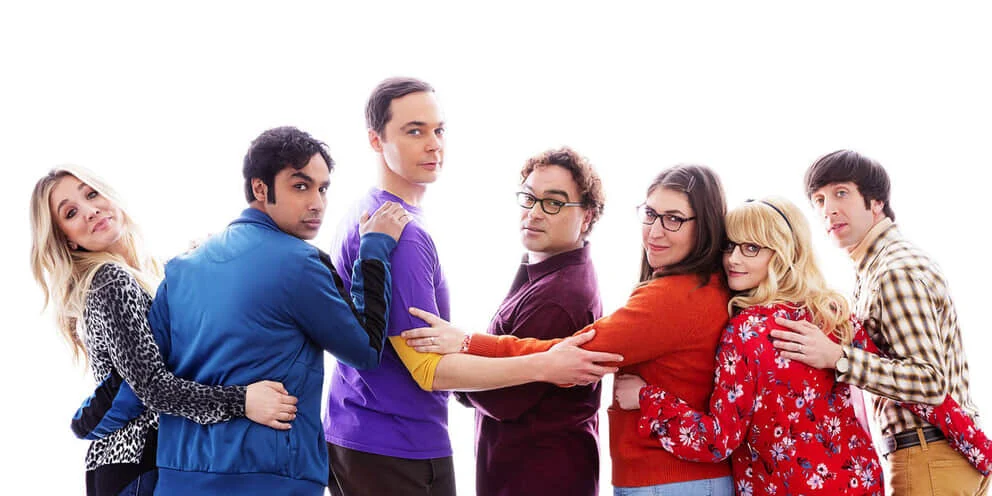
No. The Big Bang Theory ran on CBS from 2007 to 2019, and its prequel Young Sheldon from 2017 to 2024. Neither show gives Sheldon a diagnosis. In early interviews the writers said they had not based him on Asperger's syndrome. Bill Prady said Sheldon shares traits with people with Asperger's but that he was uncomfortable labelling him. Chuck Lorre later explained that they did not want to put a label on Sheldon because a label brings a responsibility to portray it authentically. Jim Parsons, who played him, said in 2008 that in his opinion Sheldon "couldn't display more traits" of Asperger's, and later that he took it as the writers wanting to draw on certain aspects of someone on the spectrum. So the honest answer is that the character was written with traits many people associate with autism, while the shows deliberately left the question open.
Which of Sheldon's traits do people link with autism?
The traits viewers most often point to are a strong need for routine and sameness, such as his fixed spot on the sofa and set meals on set days; intense, deep interests; taking language literally and missing sarcasm; difficulty reading unwritten social rules; sensitivity to touch, noise and germs; and distress when plans change without warning. Each of these can be part of autism. None of them on its own means someone is autistic, and several also appear in anxiety, OCD or simply in personality. A diagnosis looks at the whole pattern across a person's life, including early childhood, and at how much it affects them.
Does Young Sheldon show autism?
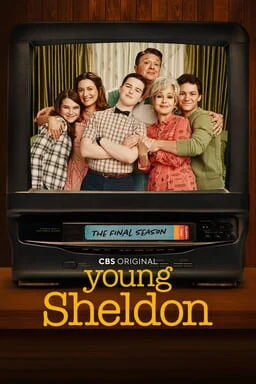
Young Sheldon follows Sheldon as a child in 1980s Texas, and again he is never diagnosed. The show spends more time on how his family adapts around him: his mother's protectiveness, his siblings' frustration, and the friction between a child who thinks very differently and a world built for others. Many families of autistic children recognise those dynamics, even though the show does not name autism.
Is Sheldon a good portrayal of autism?
Opinions differ. Some autistic viewers enjoy seeing a character who is valued for how his mind works and is surrounded by people who accept him. Others feel the jokes often land at his expense, and that he reinforces a narrow picture of autism: a white, male genius who is blunt and unaware of others' feelings. That picture leaves many autistic people out. Autism in women and girls, autistic people who are not academically gifted, and people who mask their differences to fit in are all under recognised, partly because they do not look like the stereotype. Masking can protect people socially but is often exhausting, and it is linked to burnout and poor mental health.
What if I recognise myself in Sheldon?
That is a common reason people start reading about autism, and it can be a useful prompt. Notice which traits resonated, whether they have been there since childhood, and how much they affect your work, relationships or wellbeing. If you would like an assessment, your GP is usually the starting point. NICE guidance sets out how autism assessment for adults should work. You do not need a diagnosis to get support for what is hard right now. Anxiety, low mood, burnout and the strain of masking can all be worked on in therapy that is adapted to how you think and process information.
How The Lyceum helps
We offer non diagnostic, neurodivergence affirming CBT for autistic adults and for people who think they may be autistic. Therapy is adapted to how you process information, with clear structure, written summaries and no expectation to mask, and focuses on the goals you choose, such as anxiety, low mood or burnout. Sessions are face to face in West London and Kensington or online across the UK. If you would like to talk it through, book a free consultation.
The Lyceum Clinic
Private CBT with a BABCP accredited therapist. Enquire to discuss current options, relevant referral or funding questions, and whether this support may be suitable. Face to face in West London (Chiswick, Ealing and Richmond) and Kensington, or online across the UK. £110 online · £140 face to face.
If You Need Urgent Support
- Call 999 or go to your nearest A&E if you or someone else is in immediate danger
- Samaritans: call 116 123, free, 24/7
- Shout: text 85258, free, 24/7 crisis text support
This article is for general informational purposes and does not constitute medical, legal, or diagnostic advice. It is not a substitute for a consultation with a qualified healthcare professional. Statistics cited are drawn from publicly available research and are accurate as of the date of publication. Last clinically reviewed: November 2026 by Sanah Younis, Founder and Clinical Director of The Lyceum Clinic and a BABCP accredited Cognitive Behavioural Therapist.