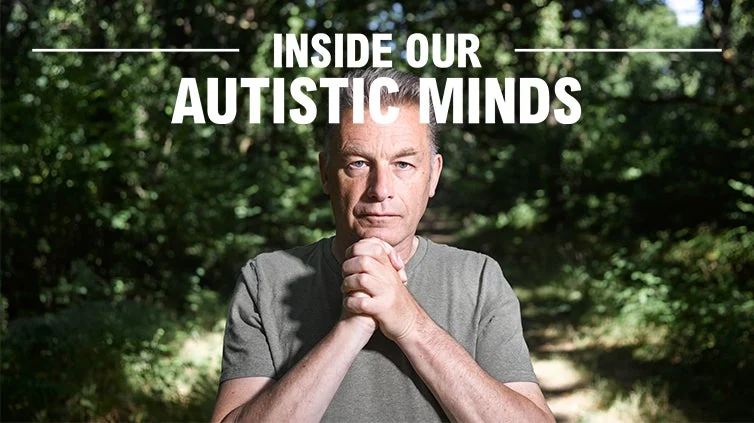

What is Inside Our Autistic Minds about?
Each episode follows autistic adults as they make a short film for someone close to them. In the first episode, an autistic comedian uses her film to connect with her mum, and a man who does not speak finds a way to communicate what his world is like. In the second, a football fan shows his friends how changes to routine affect him. Chris Packham, diagnosed with Asperger's in his forties, guides each project.
Why does Inside Our Autistic Minds matter?
Autistic people are often asked to explain themselves in words, on other people's terms. The series flips that: it gives participants creative tools to show their inner experience directly. For many viewers, autistic and not, it was the first time they had seen sensory overload or the effort of masking made visible.
What does it show about sensory overload and masking?
Several films show how ordinary environments, such as busy streets, noise or bright light, can feel overwhelming, and how much effort it takes to appear calm. Masking means hiding autistic traits to fit in. It can protect people socially, but over time it is exhausting and is linked to burnout and poor mental health.
How can families support an autistic adult?
Ask about experience rather than behaviour: what does this feel like for you, and what helps? Reduce unnecessary sensory load, give warning of changes, and accept that downtime after social effort is a need, not rudeness. Being believed is often the most powerful support of all.
How The Lyceum helps
We offer non diagnostic, neurodivergence affirming CBT for autistic adults, adapted to how you process information, for anxiety, low mood, burnout and the goals you choose. Sessions are face to face in West London and Kensington or online across the UK. If you would like to talk it through, book a free consultation.
The Lyceum Clinic
Private CBT with a BABCP accredited therapist. Enquire to discuss current options, relevant referral or funding questions, and whether this support may be suitable. Face to face in West London (Chiswick, Ealing and Richmond) and Kensington, or online across the UK. £110 online · £140 face to face.
If You Need Urgent Support
- Call 999 or go to your nearest A&E if you or someone else is in immediate danger
- Samaritans: call 116 123, free, 24/7
- Shout: text 85258, free, 24/7 crisis text support
This article is for general informational purposes and does not constitute medical, legal, or diagnostic advice. It is not a substitute for a consultation with a qualified healthcare professional. Statistics cited are drawn from publicly available research and are accurate as of the date of publication. Last clinically reviewed: November 2026 by Sanah Younis, Founder and Clinical Director of The Lyceum Clinic and a BABCP accredited Cognitive Behavioural Therapist.