Your privacy

The LyceumCognitive Behavioural Therapy

Watch and Listen  ·  OCD

Obsessive Compulsive Cleaners: what the show gets wrong about OCD

Channel 4's Obsessive Compulsive Cleaners: why OCD charities criticised it, and why cleaning other people's homes is not ERP for OCD.

By Sanah Younis, BABCP accredited CBT TherapistLast reviewed: November 2026
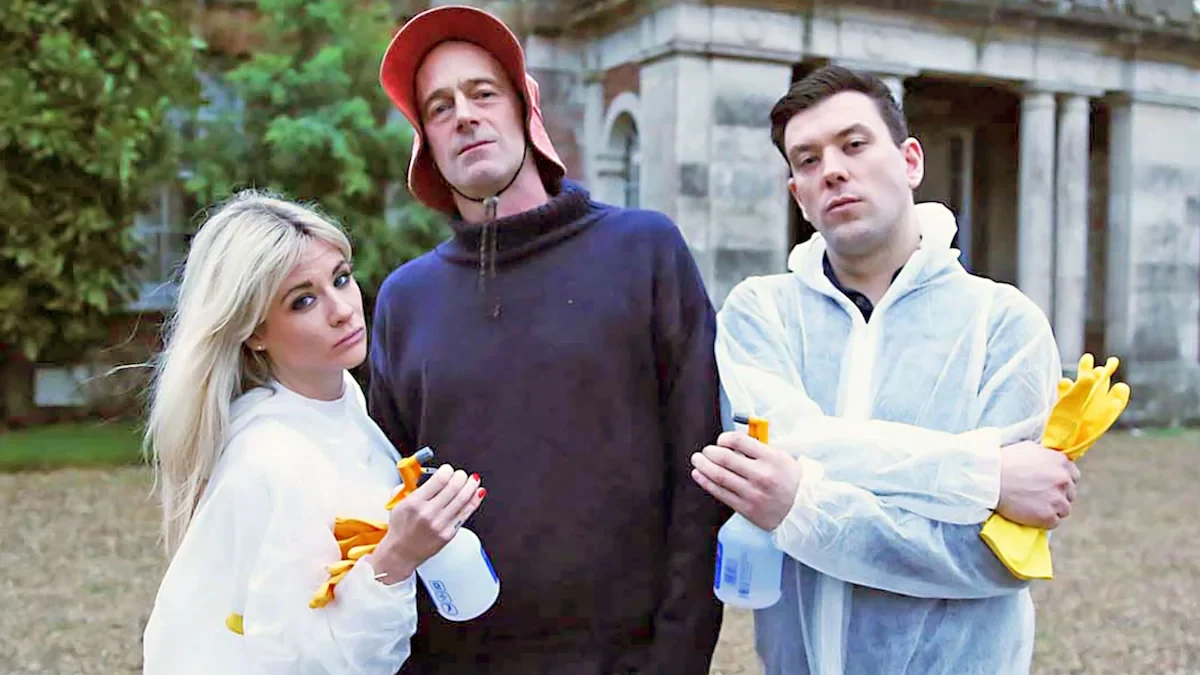
Programme artwork for Obsessive Compulsive Cleaners
Obsessive Compulsive CleanersImage source: Channel 4. Programme produced by betty. · Source

Summary

Obsessive Compulsive Cleaners was a Channel 4 series, shown from 2013 to 2016, that followed people with OCD as they cleaned other people's very dirty homes. Both national OCD charities, OCD Action and OCD UK, criticised it for presenting OCD as entertainment and reinforcing the idea that OCD means liking things clean. OCD is not a preference for tidiness: it is driven by distressing intrusive thoughts and the compulsions used to neutralise them. Treatment, CBT with exposure and response prevention, works by reducing compulsions, not performing them on camera.
Sanah Younis, Founder and Clinical Director of The Lyceum Clinic and a BABCP accredited CBT therapist, The Lyceum Clinic

Sanah Younis

BABCP accredited Cognitive Behavioural Psychotherapist

Series · Channel 4 · 2013 to 2016

Obsessive Compulsive Cleaners

OCD

Our clinicians' verdict

Criticised by both national OCD charities for treating OCD as entertainment and confusing it with liking things clean. Cleaning on camera is not exposure therapy.

OCD therapy in London and online

What was Obsessive Compulsive Cleaners?

The series ran on Channel 4 for five series between 2013 and 2016, with a later special, and was made by the independent company Betty. Each episode followed people with OCD, many with contamination fears, as they set about cleaning homes in very poor condition.

Why was Obsessive Compulsive Cleaners criticised?

OCD Action said many people contacted the charity upset and frustrated by how the show portrayed OCD. OCD UK said it added to misconceptions and stigma, and that OCD should not be presented as entertainment. A common complaint was that it reinforced the idea that OCD is a quirky love of cleaning, when for most people it is a source of serious distress.

Is liking things clean the same as OCD?

No. Many people enjoy order and cleanliness, and it causes them no harm. OCD involves unwanted intrusive thoughts that feel threatening, such as fears of contamination, illness or causing harm, and compulsions carried out to reduce the anxiety those thoughts bring. The compulsions take up time, cause distress and get in the way of life. Many people with contamination OCD do not enjoy cleaning at all: they feel they have no choice.

Is cleaning someone else's home a form of exposure therapy?

Not in the way the show presented it. Exposure and response prevention, the treatment NICE recommends for OCD, involves planned and gradual contact with feared situations together with deliberately not carrying out compulsions. Cleaning intensively is itself often a compulsion, so doing more of it, however dramatic, can strengthen the cycle rather than break it. In therapy, exposures are agreed in advance, paced, and designed to teach you that you can tolerate uncertainty without the ritual.

What does contamination OCD actually look like?

Beyond handwashing, contamination OCD can involve avoiding places, people or objects, long cleaning routines, changing clothes repeatedly, asking others for reassurance, or a sense of mental contamination where a person or memory feels dirty even without physical contact. Our guide to contamination OCD covers these patterns in more detail.

How The Lyceum helps

We treat OCD with CBT including exposure and response prevention, starting with an assessment and a shared map of what keeps your OCD going. Sessions are face to face in West London and Kensington or online across the UK. If you would like to talk it through, book a free consultation.

The Lyceum Clinic

Private CBT with a BABCP accredited therapist. Enquire to discuss current options, relevant referral or funding questions, and whether this support may be suitable. Face to face in West London (Chiswick, Ealing and Richmond) and Kensington, or online across the UK. £110 online · £140 face to face.

If You Need Urgent Support

  • Call 999 or go to your nearest A&E if you or someone else is in immediate danger
  • Samaritans: call 116 123, free, 24/7
  • Shout: text 85258, free, 24/7 crisis text support

This article is for general informational purposes and does not constitute medical, legal, or diagnostic advice. It is not a substitute for a consultation with a qualified healthcare professional. Statistics cited are drawn from publicly available research and are accurate as of the date of publication. Last clinically reviewed: November 2026 by Sanah Younis, Founder and Clinical Director of The Lyceum Clinic and a BABCP accredited Cognitive Behavioural Therapist.

Frequently asked questions

Related pages

Cite this article

References

  1. governmentNICE (2005). Obsessive compulsive disorder and body dysmorphic disorder: treatment (CG31). National Institute for Health and Care Excellence.
  2. newsWikipedia contributors (2025). Obsessive Compulsive Cleaners. Wikipedia (series details and charity responses).

About the author

Sanah Younis, Founder and Clinical Director of The Lyceum Clinic and a BABCP accredited CBT therapist

Sanah Younis

Founder and Clinical Director · BABCP Accredited no. 1000792

Sanah Younis is the Founder and Clinical Director of The Lyceum Clinic, West London, and a BABCP accredited Cognitive Behavioural Therapist. She specialises in anxiety, OCD, depression, burnout, neurodivergence, and life transitions. Face to face arrangements may be discussed in Chiswick, Ealing and Richmond, with online appointments also available for clients across the UK and Gulf Region.

BABCP Accredited no. 1000792MBABCPBSc (Hons) PsychologyPGDip

Last clinically reviewed: July 2026 by Sanah Younis, Founder and Clinical Director of The Lyceum Clinic and a BABCP accredited Cognitive Behavioural Therapist.

Want this sent to you as a PDF?

We will email you a PDF copy. No spam. Unsubscribe at any time.

Frequently asked questions

Was Obsessive Compulsive Cleaners real OCD?

The people taking part were described as having OCD, but OCD charities said the show misrepresented the condition by presenting it as entertainment and as a love of cleaning.

Is cleaning a lot a sign of OCD?

Not on its own. OCD involves intrusive, unwanted thoughts and compulsions that cause distress and take up significant time. Enjoying a clean home is not OCD.

What is the treatment for OCD?

NICE recommends CBT including exposure and response prevention, which reduces compulsions gradually and safely. Medication may also be offered.

When did Obsessive Compulsive Cleaners air?

It was shown on Channel 4 between 2013 and 2016.

BABCP accredited · Chiswick & online · Check availability

Start with a conversation